Get back on the Road With Confidence - Reliable Auto Repair
Dependable auto repair is crucial for safe and efficient vehicle operation. A reliable shop provides comprehensive services, from regular inspections to emergency fixes. Understanding when a car needs attention can be challenging. Many drivers struggle with finding reliable repair professionals. Regular maintenance is essential for prolonging a vehicle's life. Yet, the complexities of repair costs and effective communication with mechanics can leave one unsure. What steps can drivers take their vehicles are always road-ready?
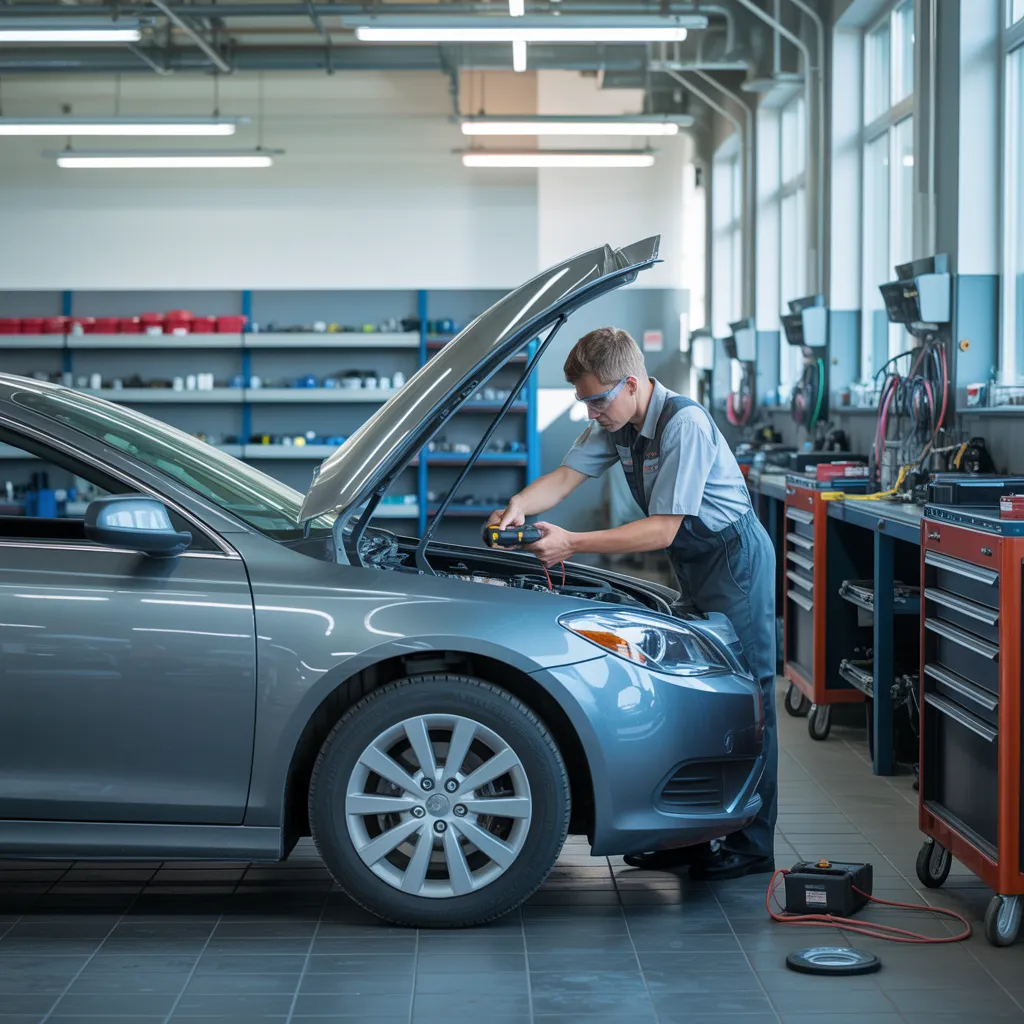
Determining When Your Car Needs Fixes
How can one ascertain when a vehicle needs repair? There are key signs that suggest a maintenance need. Unusual noises, such as grinding or squeaking, often suggest issues with brakes or engines. Warning lights on the dashboard, especially the check engine light, should never be ignored, as they show potential problems that demand immediate investigation. Furthermore, a decrease in performance, such as sluggish acceleration or difficulty starting, can also indicate underlying mechanical problems.
Visual cues, such as fluid leaks or irregular tire degradation, are additional warnings that maintenance is needed. If the automobile veers to one side while driving, this could indicate alignment complications or tire issues. Consistently monitoring these components can help ensure quick repairs, preventing more serious damage and expenses in the future. All things considered, being vigilant and proactive is essential for keeping your vehicle healthy.
How to Identify a Dependable Auto Repair Shop
Locating a trustworthy auto repair shop can be a challenging task for car owners. To start, people should request suggestions from acquaintances, family, or colleagues. Individual encounters often offer useful information into a facility's quality of service. Internet feedback and scores on platforms like Yelp or Google can also help assess client contentment.
Next, confirming credentials and memberships with recognized industry organizations, such as the Automotive Service Excellence (ASE), can demonstrate a shop's dedication to quality practices. It is recommended to visit potential shops for an initial consultation, allowing owners to assess cleanliness, organization, and customer service.
Furthermore, getting written estimates before any work begins can avoid confusion regarding costs. Finally, a reliable shop should be transparent about its services and able to explain repairs. By adhering to these steps, vehicle owners can improve their chances of locating a reputable auto repair shop.
The Key Benefits of Consistent Vehicle Maintenance
While many car owners may ignore regular maintenance, regular vehicle maintenance is crucial for guaranteeing a car's longevity and peak performance. Skipping upkeep can result in a cascade of issues, from small hassles to major failures. Regular inspections, such as oil replacements, tire turns, and brake inspections, can prevent costly repairs and enhance road safety.
In addition, regular maintenance helps sustain a vehicle's fuel efficiency, lowering overall running expenses. It also protects the selling price; a properly maintained car is often more appealing to potential buyers.
Committing to regular upkeep cultivates a sense of responsibility among owners, urging them to stay current about their vehicle's needs. By emphasizing maintenance, vehicle owners not only protect their investment but also add to collective safety on roads. Ultimately, regular vehicle upkeep is a proactive approach that benefits both the owner and the larger community.
Understanding Repair Costs
Deciphering maintenance expenses can often be bewildering for automobile proprietors. Various factors influence these outlays, including hourly wages, component expenses, and the challenge of the repair work. Labor expenses vary substantially depending on region and shop, typically mirroring the technician's expertise and the shop's overhead. Furthermore, the choice of components utilized—whether original equipment manufacturer (OEM) or substitute—can substantially influence the overall bill.
Vehicle type and years also play a role; less common or older vehicles may need unique components that are pricier and harder to source. Additionally, surprise complications can occur during maintenance work, leading to extra expenses that were not initially anticipated. By gaining a basic understanding of these elements, vehicle owners can address repair assessments with greater confidence and establish well-reasoned conclusions regarding their automotive needs.
How to Distinctly Articulate Car Problems to Your Technician
Conveying car problems clearly to a technician can significantly improve the assessment and fixing procedure. When describing problems, car owners should be precise about symptoms, such as unusual noises, vibrations, or warning lights. Offering information on when the problem occurs—whether during speeding up, braking, or idling—can also assist the technician determine the problem.
It is valuable to document any new variations in driving behavior or maintenance history. Employing direct, simple communication negates ambiguity, allowing the mechanic to follow the circumstances better. Owners should refrain from using technical jargon unless they are confident about its definition.
Additionally, providing documentation, including service records or previous repair invoices, can provide context. A focused description not only aids in swift diagnosis but also fosters a collaborative relationship between the car owner and the mechanic, ultimately leading to effective repairs.
Creating a Sustained Partnership With Your Auto Repair Shop
Forging a extended association with an auto repair shop is based on reliability and frankness. Consistent premium service reinforces this bond, while open contact options guarantee that customers believe they are cherished and heard. Together, these traits create a partnership that helps both the individual and the mechanic.
Develop Confidence By Means Of Transparent Engagement
When customers feel well-informed about the services their vehicles required, trust naturally arises between them and their auto repair shop. Transparency in communication is important; it allows customers to understand the justification behind recommended repairs and maintenance. Auto repair shops that provide detailed insights, accurate estimates, and open discussions create a sense of trust among their clientele. This openness not only simplifies the repair process but also empowers clients to make informed decisions. Furthermore, sharing information about the shop’s qualifications, warranties, and service history strengthens credibility. By prioritizing transparency, auto repair shops can build lasting relationships, encouraging repeat customers and customer loyalty. Ultimately, trust through transparency lays the foundation for a more satisfying and reliable auto repair experience.
Consistent Premium Service
Consistent quality service is the cornerstone of a lasting relationship between customers and their repair establishment. When customers receive reliable and efficient repairs, they are more likely to revisit for additional upkeep. This reliability fosters trust, allowing customers to trust in the expertise of the technicians. Over time, as customers recognize the same superior quality being upheld, a sense of allegiance develops. Regularly performed quality checks and respect to industry standards guarantee that vehicles are not only serviced but also maintained to prevent emerging problems. Such commitment to excellence creates an climate where customers feel important, knowing their vehicles are in skilled hands. Ultimately, this resolve to consistent quality service strengthens the bond between auto repair shops and their clientele.
Establish Communication Pathways
Effective exchange functions as an essential bridge between clientele and their auto repair shops, enhancing confidence and understanding. Transparent pathways for communication foster a team-oriented context where customers feel valued and informed. When repair shops present transparent accounts pertaining to services, costs, and time estimates, customers can make wiser selections about their automobiles. Periodic updates during repairs can minimize anxiety and build confidence in the shop's expertise. In contrast, clientele who express their concerns and wants contribute to a more bespoke experience. This two-way exchange not only strengthens relationships but also encourages commitment. By focusing on open exchange, auto repair shops can establish a reputation for dependability, securing that customers return for future needs, assured in the work they will receive.
Often Requested Questions
What Should I Do if My Car Breaks Down Unexpectedly?
If a vehicle breaks down suddenly, the driver should carefully move to the side of the road, turn on hazard lights, assess the situation, and call for roadside assistance or full details a tow service if needed. Staying calm is important.
How Can I Figure Out if a Mechanic Is Credible?
To establish a mechanic's reliability, one should review ratings, obtain recommendations, check certifications, and ensure transparency in pricing. A trustworthy mechanic will communicate clearly and supply detailed explanations of required maintenance and work.
What warranties apply to vehicle maintenance services?
Most auto repair shops offer warranties on their services and parts, typically ranging from 90 days to several years. Customers should ask regarding specific details and requirements to guarantee adequate coverage for their repairs.
What Components Should I Have in My Car for Critical Moments?
A well-prepared car should contain a spare tire, jack, jumper cables, flashlight, first aid kit, basic tools, and tire pressure gauge. These requirements help provide safety and tackle minor issues during unexpected emergencies on the road.
How Do I Set My Car Prepared for Seasonal Changes?
To get ready a car for seasonal changes, one should examine liquid amounts, examine tires for wear and inflation, test the power source, change wipers, and make certain lights function properly for maximum safety and performance.